Getting to a doctor’s appointment sounds simple until it isn’t. For millions of people, a missed ride means a missed checkup, a delayed treatment, or a worsening condition. That’s where medical transportation comes in: a quiet but essential layer of the healthcare system that makes sure people can actually reach the care they need.
Medical transportation helps people travel safely and comfortably to healthcare appointments, treatments, hospitals, rehabilitation centers, and other medical facilities. It provides dependable support for individuals who may not be able to drive themselves or use regular transportation options.
In this guide, we’ll explain what medical transportation is, who needs it, how it works, and why it matters for patients and families.
What Is Medical Transportation?
Medical transportation refers to transportation services specifically designed to help individuals travel to and from medical-related destinations safely and efficiently. That includes hospitals, clinics, dialysis centers, rehabilitation facilities, mental health providers, pharmacies, and even private homes when in-home care is involved.
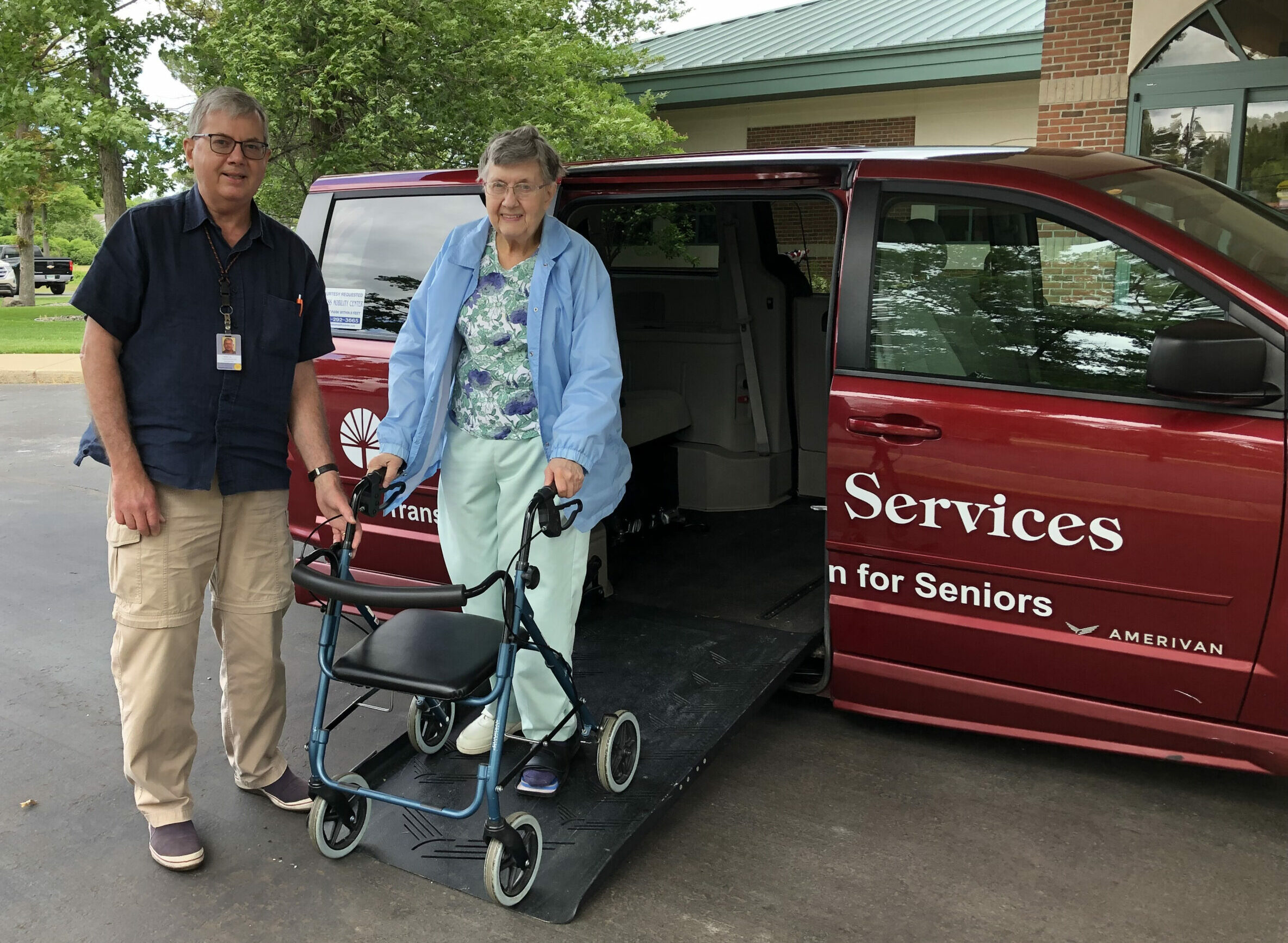
Medical transportation is different from a regular taxi or ride-share service as it is specially designed for people with medical or mobility needs. These vehicles may include wheelchair accessibility and extra safety features, while drivers are trained to assist passengers with care and patience.
It plays a major role in healthcare. Many people miss or delay medical appointments simply because they don’t have a reliable way to get there. Medical transportation helps solve this problem by making sure patients can safely reach appointments, receive proper treatment, and continue their recovery without interruption.
These services are commonly used for:
- Doctor appointments
- Dialysis treatments
- Physical therapy sessions
- Hospital discharges
- Rehabilitation visits
- Outpatient procedures
- Routine healthcare checkups
Unlike emergency ambulances, medical transportation is typically non-emergency transportation focused on scheduled healthcare visits and ongoing patient support.
Medical transportation is generally divided into two main types: emergency transportation and non-emergency transportation. Both are important and help patients get the care they need safely and on time.
Emergency Medical Transportation (EMT)
When most people think of medical transportation, ambulances are what come to mind. Emergency Medical Transportation is exactly what it sounds like: services dispatched in urgent, time-sensitive situations where every minute matters.
This typically includes:
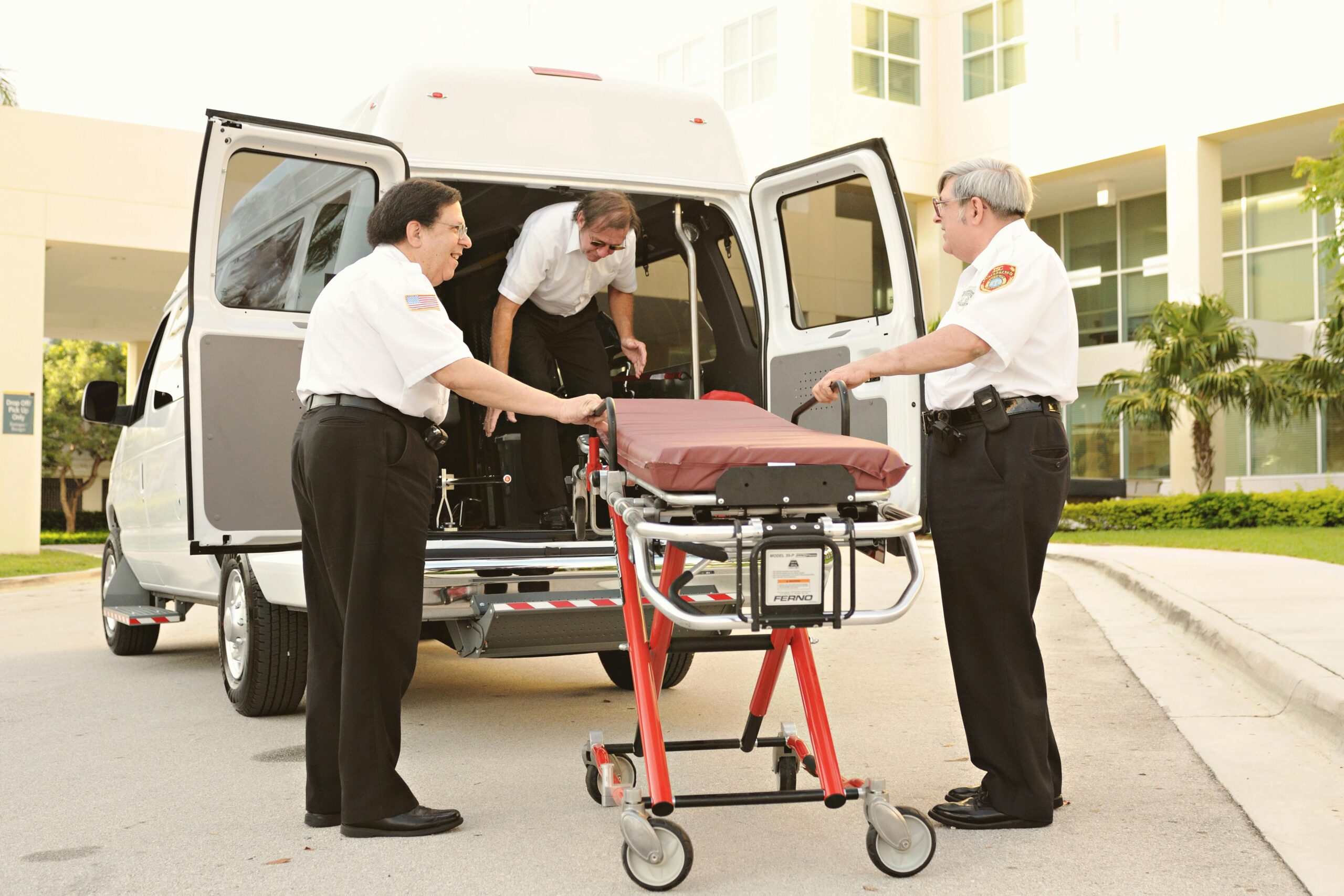
- Ground ambulances staffed by EMTs or paramedics, equipped to provide life-saving care en route.
- Air ambulances (helicopters and fixed-wing aircraft) are used when distance, terrain, or severity make ground transport too slow.
- Critical care transport for patients who need intensive monitoring while being moved between hospitals.
Emergency transport is usually activated through 911 or a hospital’s transfer line. The priority is speed and stabilization; these vehicles are essentially mobile mini-ERs.
What Is Non-Emergency Medical Transportation (NEMT)?
Non-Emergency Medical Transportation, often called NEMT, is transportation for people who need rides to healthcare appointments, regular errands or just about the city – that doesn’t require emergency intervention.
NEMT services are ideal for:
- Seniors who cannot drive themselves
- People with disabilities or limited mobility
- Patients receiving ongoing treatments like chemotherapy or dialysis
- People who use wheelchairs or walkers
- Those recovering from surgery and are unable to drive themselves home
These services are designed to reduce missed appointments and help patients maintain consistent medical care.
Who Uses Medical Transportation Services?
The user base is broader than people often realize. Beyond emergency patients, medical transportation regularly serves:
Seniors
Older adults often rely on transportation assistance when driving becomes difficult or unsafe. Medical transportation helps seniors attend appointments while maintaining independence and peace of mind.
Wheelchair Users
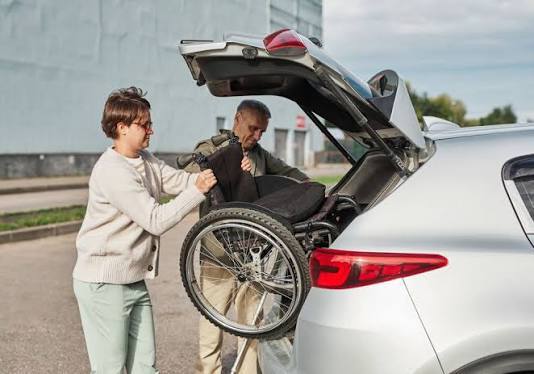
Wheelchair-accessible vehicles provide safe transportation for individuals with mobility challenges who cannot comfortably use standard vehicles.
Dialysis Patients
Dialysis treatments usually require multiple weekly appointments. Reliable transportation is essential to ensure patients never miss critical treatments.
Patients Recovering From Surgery
After surgery or hospitalization, patients may temporarily need assistance getting to follow-up visits, therapy sessions, or rehabilitation centers.
Individuals With Disabilities
Many people with physical disabilities depend on accessible transportation services for safe travel to healthcare providers.
People Living in Rural Areas
Individuals living in rural communities often use medical transportation because hospitals, specialists, and healthcare centers may be located far from home.
Low-Income Medicaid Patients
Many Medicaid programs cover non-emergency medical transportation for eligible patients who need help reaching medical appointments.
Veterans
Veterans may use medical transportation services to access VA hospitals, clinics, and healthcare facilities safely and reliably.
Hospital Discharge Patients
Patients leaving the hospital may need a safe and comfortable ride home, especially if they are unable to drive after treatment or surgery.
Individuals Temporarily Unable to Drive
People recovering from injuries, medical procedures, or temporary health conditions may also depend on medical transportation until they are able to drive again.
Common Mode of Medical Transportation Services
Medical transportation isn’t one-size-fits-all. The mode is matched to the patient’s condition, distance, and urgency:
Ground transport is the most common, covering everything from ambulances to NEMT vans to private medical sedans. It’s flexible, accessible, and works for the vast majority of trips.
Air transport comes into play for long distances, remote areas, or critical cases. Air ambulances can shave hours off transfer times but are significantly more expensive.
Water transport is used in coastal or island regions where boats or specialized marine ambulances are the most practical option.
Specialty vehicles include bariatric transports for larger patients, neonatal transport units for newborns in critical care, and isolation transports for patients with infectious diseases.
What to Expect From a Medical Transportation Service
A professional medical transportation provider typically offers:
- Scheduled pickups and drop-offs
- Wheelchair-accessible vehicles
- Door-to-door assistance
- Safe and comfortable transportation
- Compassionate and respectful service
- Reliable arrival times
Some providers may also offer recurring ride scheduling for regular treatments and appointments.
Choosing the Right Medical Transportation Provider
When selecting a medical transportation company, it’s important to look for:
- Experienced and courteous drivers
- Clean and well-maintained vehicles
- Accessibility features
- Dependability and punctuality
- Strong customer reviews
- Flexible scheduling options
Families should choose a provider that prioritizes patient comfort, safety, and dignity.
Compassionate Transportation You Can Trust
At Wellness Wagons, we understand that transportation is more than just getting from one place to another. For many patients and families, it’s about safety, reliability, comfort, and peace of mind.
We proudly provide dependable non-emergency medical transportation services for seniors, wheelchair users, dialysis patients, and individuals needing safe transportation to healthcare appointments across Rockwall, Fate, Royse City, Rowlett, Garland, Wylie, Sachse, Greenville, and surrounding areas.
Whether you need a one-time ride or recurring transportation for ongoing treatments, our team is committed to delivering compassionate care every step of the way.
Final Thoughts
Medical transportation plays a vital role in helping individuals access the healthcare they need safely and consistently. From seniors attending routine checkups to patients requiring recurring dialysis treatments, dependable transportation services improve both health outcomes and quality of life.
As more families seek safe and accessible transportation solutions, non-emergency medical transportation continues to become an essential part of modern healthcare support.