Getting around becomes more challenging as we age. Whether it’s due to vision problems, physical limitations, or simply no longer feeling safe behind the wheel, many seniors find themselves needing alternative transportation options. The good news? There are more resources available than most people realize.
This guide walks you through everything you need to know about accessing senior transportation services, from free community programs to paid rideshare options designed specifically for older adults.
Why Senior Transportation Services Matter
Transportation isn’t just about getting from point A to point B. For seniors, reliable transportation means the difference between isolation and independence.
Without access to transportation, older adults often miss medical appointments, struggle to buy groceries, and lose connection with friends and family. Studies consistently show that seniors who lack transportation options experience higher rates of depression and declining health.
Finding the right transportation solution can restore independence and improve overall quality of life.
Types of Senior Transportation Services Available
Public Transit Programs
Many cities offer reduced fares or free rides for seniors on buses, trains, and subway systems. Most public transit authorities provide senior discount cards for riders over 65 (though the age requirement varies by location).
Check your local transit authority’s website or call their customer service line to learn about senior fare programs in your area.
Paratransit Services
Paratransit is a door-to-door transportation service designed for people who cannot use standard public transit due to disability or age-related limitations. These services are typically required by the Americans with Disabilities Act (ADA) and operate alongside regular public transportation systems.
To qualify, seniors usually need to complete an application process and sometimes provide documentation from a healthcare provider.
Non-Emergency Medical Transportation (NEMT)
NEMT services specifically transport seniors to and from medical appointments. This includes trips to doctors’ offices, physical therapy, dialysis centers, and pharmacies.
Many NEMT providers accept Medicaid, and some Medicare Advantage plans now cover these services as well.
Volunteer Driver Programs
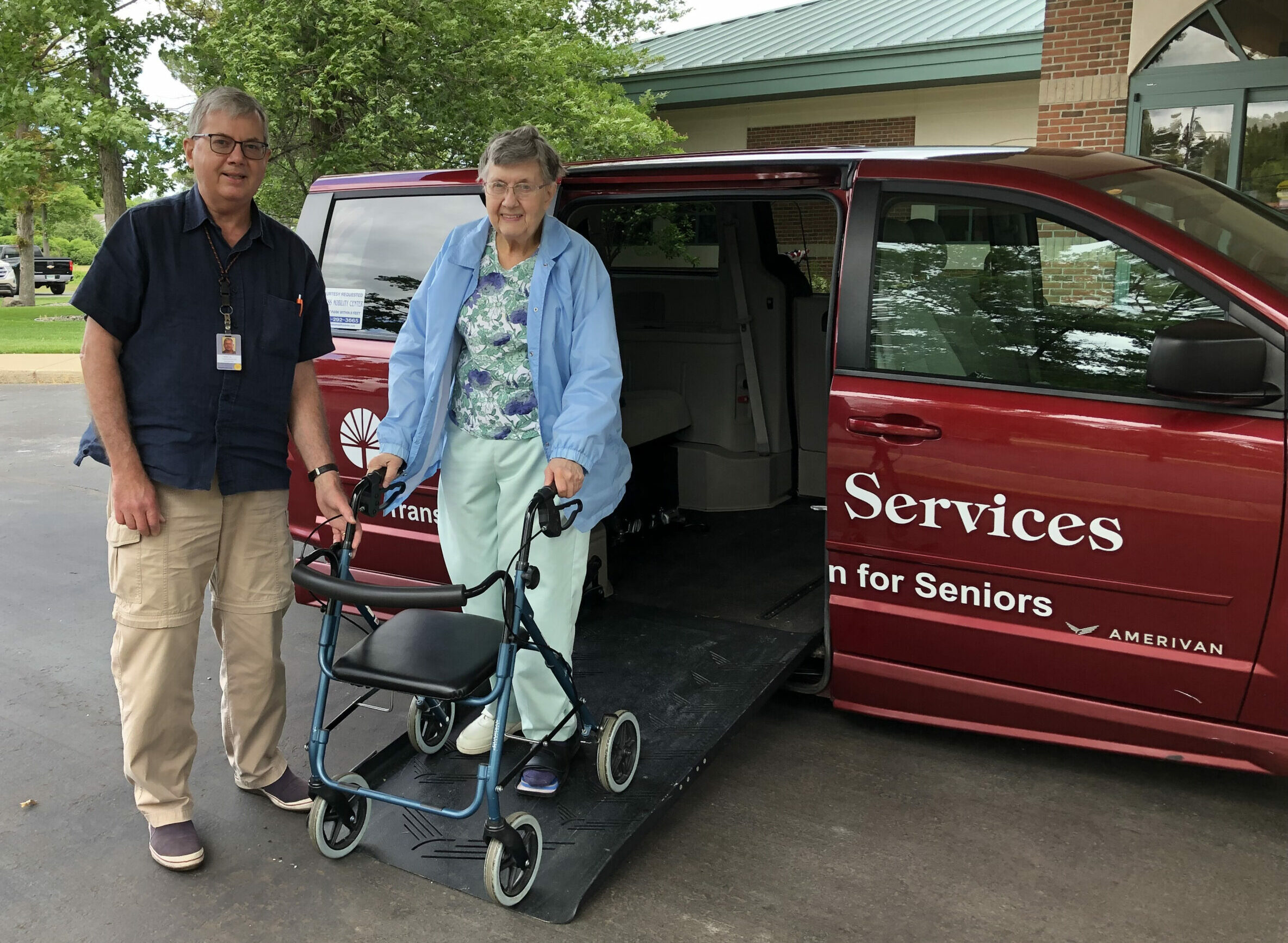
Numerous nonprofit organizations coordinate volunteer drivers who provide free or low-cost rides to seniors. These programs often operate through local senior centers, religious organizations, or community nonprofits.
Volunteer drivers typically offer more flexibility than public transit, including help with grocery bags or a friendly arm to lean on.
Rideshare Services for Seniors
Companies like Uber and Lyft have developed senior-friendly features, including simplified apps and phone-based booking options for those less comfortable with smartphones.
Additionally, Go Go Grandparent acts as a bridge service, allowing seniors to request rides through a simple phone call without needing a smartphone at all.
Private Senior Transportation Companies
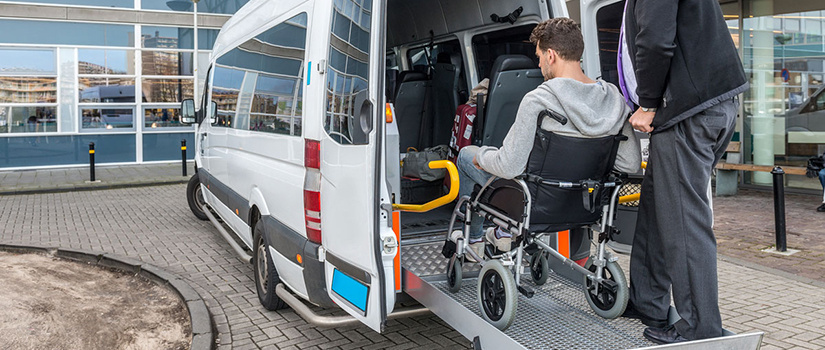
Some areas have dedicated senior transportation businesses that offer scheduled rides, wheelchair-accessible vehicles, and trained drivers experienced in assisting older passengers.
These services often cost more than public options but provide a higher level of personalized care.
How to Find Senior Transportation Services in Your Area
Start With Your Local Area Agency on Aging
Every region in the United States has an Area Agency on Aging (AAA) that coordinates services for older adults, including transportation. This should be your first call when searching for options.
You can locate your local AAA by visiting the Eldercare Locator website or calling 1-800-677-1116.
Contact Your Local Senior Center
Senior centers often have information about transportation resources and may even operate their own shuttle services. Many centers provide rides to their facility for activities, meals, and social events.
Ask Your Healthcare Provider
Hospitals and doctor’s offices frequently maintain lists of transportation resources for patients. Social workers at medical facilities can be particularly helpful in connecting seniors with NEMT services covered by insurance.
Check With Religious and Community Organizations
Many churches, synagogues, mosques, and community groups organize volunteer transportation networks for members and local seniors, regardless of religious affiliation.
Search Online Directories
Websites like Rides in Sight and the National Volunteer Transportation Center maintain searchable databases of transportation options by zip code.
How to Determine Which Service Is Right for You
Consider Your Specific Needs
Think about what type of transportation you need most. Do you primarily need rides to medical appointments? Regular grocery trips? Social outings?
Some services specialize in specific types of trips, while others offer more general transportation.
Evaluate Cost and Coverage
Compare pricing structures across different services. Some options are completely free, while others charge per ride or require membership fees.
Check whether your health insurance, Medicare, or Medicaid covers any transportation costs, as this can significantly reduce out-of-pocket expenses.
Check Availability and Scheduling Requirements
Some services require advance booking, sometimes 24-48 hours ahead, while others offer same-day service. Consider how this fits with your typical scheduling needs.
Assess Accessibility Features
If you use a wheelchair or walker, confirm that vehicles can accommodate mobility devices. Ask about the process for wheelchair-accessible vehicle requests, as these sometimes require additional advance notice.
Steps to Apply for Senior Transportation Services
Step 1: Gather Necessary Documentation
Most programs require proof of age, residency, and sometimes income verification for subsidized services. Have your ID, proof of address, and insurance information ready.
Step 2: Complete an Application
Many transportation services, especially paratransit and NEMT options, require a formal application process. This may include an in-person or phone interview to assess your needs.
Step 3: Provide Medical Documentation if Required
For paratransit or NEMT services, you may need a healthcare provider to verify that you require specialized transportation due to a disability or medical condition.
Step 4: Schedule a Trial Ride
Once approved, consider scheduling a trial ride to familiarize yourself with the process, driver expectations, and pickup procedures.
Tips for Making the Most of Senior Transportation Services
Book rides in advance whenever possible. Many services, especially volunteer-based programs, require 24-72 hours notice.
Keep a list of your regular destinations handy. This makes scheduling calls quicker and easier.
Ask about companion policies. Many services allow a caregiver or friend to ride along at no extra charge.
Have a backup option. Weather delays and scheduling conflicts happen, so it’s wise to have a secondary transportation service in mind.
Final Thoughts
Losing the ability to drive doesn’t mean losing independence. With so many senior transportation services available today, older adults have more options than ever to stay connected, active, and engaged in their communities.
The key is knowing where to look and understanding which service best fits your specific needs. Start by contacting your local Area Agency on Aging, explore multiple options, and don’t hesitate to ask questions along the way.
Transportation is a vital piece of maintaining quality of life as we age. Taking the time to find the right service now can open doors to continued independence, better health outcomes, and richer social connections for years to come.